
About Eastmallbuy Spreadsheet
Click the images below to browse!






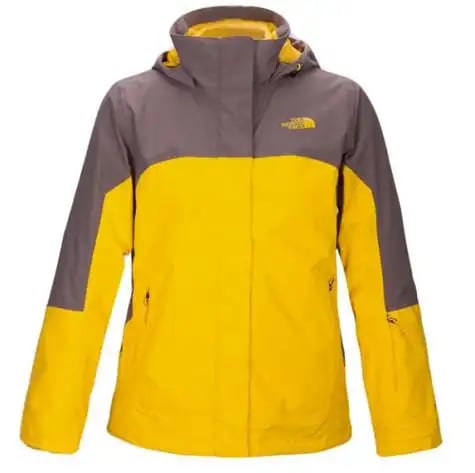


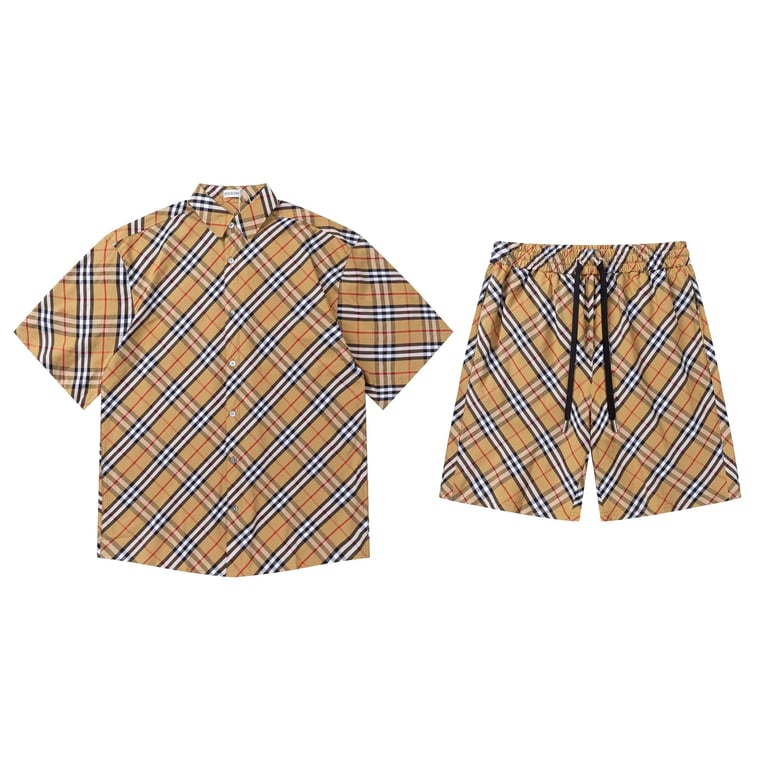
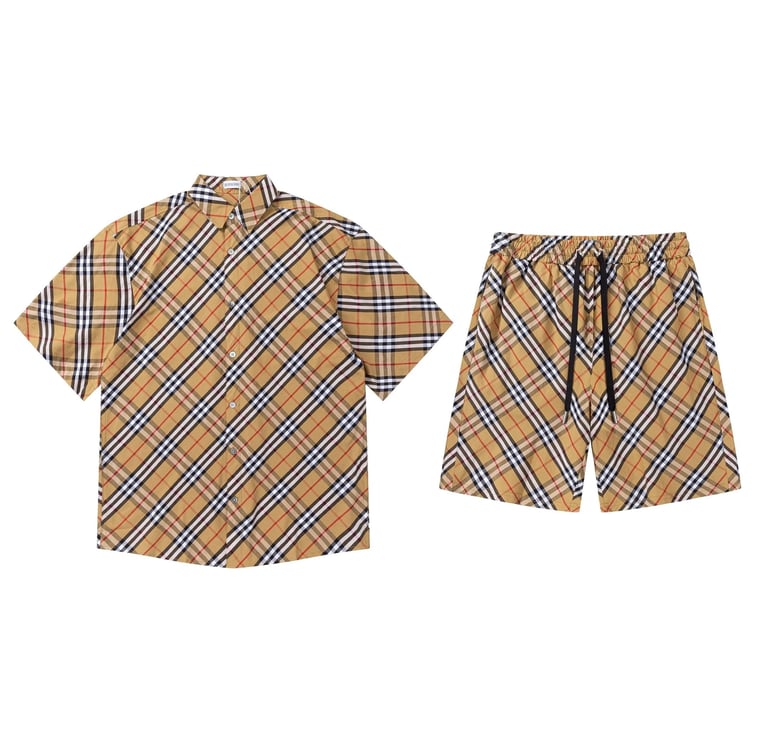


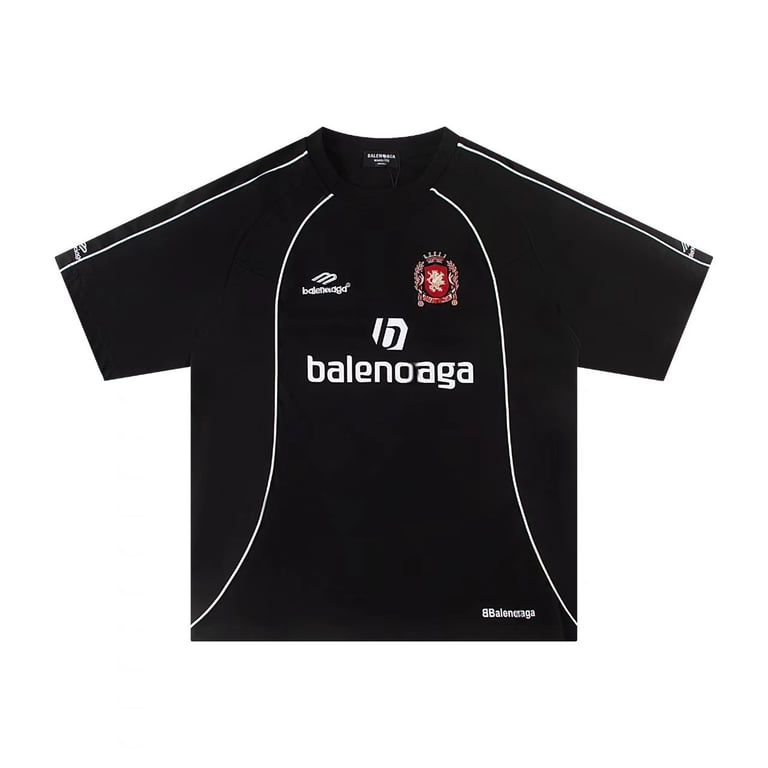
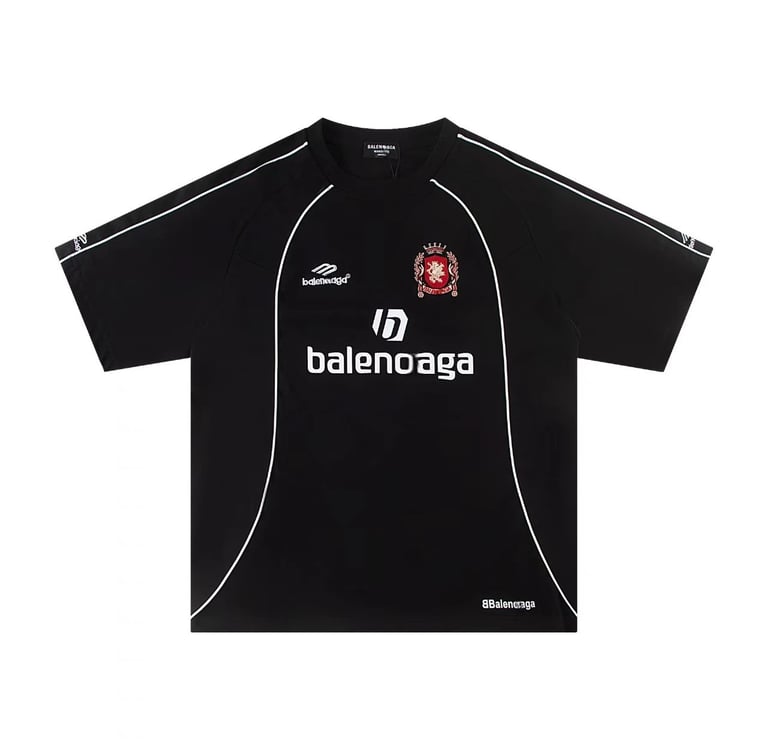



Cross-Border Reverse Sourcing Infrastructure & Global Fulfillment Network
🌍 Rethinking How Products Enter Global Commerce
Traditional e-commerce platforms usually begin with stocked inventory. However, reverse cross-border systems operate differently. Products are not pre-stored but continuously sourced from upstream ecosystems such as 1688 and Weidian, then reorganized into globally shippable listings.
In this environment, the Eastmallbuy spreadsheet is used to convert raw supplier inputs into structured product frameworks that can support international purchasing and fulfillment decisions.
This creates a system where commerce is driven by sourcing logic rather than static inventory.
🧭 The Logic Behind Reverse Sourcing Systems
Reverse sourcing is built on continuous data intake from multiple supplier channels. Instead of relying on fixed catalogs, products are dynamically selected based on availability, price shifts, and supplier consistency.
Typical sourcing logic includes:
Extracting product data from multiple upstream suppliers
Comparing similar listings across different vendor sources
Filtering unstable or inconsistent entries
Structuring selected items into standardized product formats
Preparing items for global fulfillment workflows
The Eastmallbuy spreadsheet is applied to stabilize this process, ensuring that fragmented supplier data becomes usable within a structured sourcing system.
🧩 Data Structuring as the Core Operation
Unlike conventional retail systems, the main operational challenge is not sales—but data transformation. Supplier information is often inconsistent, incomplete, or duplicated across platforms.
The structuring process includes:
Normalizing inconsistent product descriptions
Aligning attributes such as size, variant, and material
Removing duplicate or near-identical entries
Grouping fragmented supplier listings into unified records
Preparing structured datasets for downstream logistics
Through this process, the Eastmallbuy spreadsheet acts as a foundational layer for turning raw sourcing inputs into organized product intelligence.
🔗 Observing Supplier Network Behavior
Beyond structuring data, it is also important to understand how supplier listings behave across different upstream platforms. Products from 1688 and Weidian often appear in multiple forms, reflecting different supplier strategies and listing habits.
The Eastmallbuy links is used in this context to observe how similar product entries appear, evolve, and spread across supplier networks before being selected for structured processing.
This helps identify patterns such as:
Repeated product uploads by different suppliers
Minor variations in identical product listings
Regional differences in supplier formatting styles
Hidden duplication across upstream marketplaces
🧠 Why Structured Sourcing Systems Are Necessary
Without structured sourcing, reverse cross-border commerce would face several issues:
Supplier data becomes fragmented and unmanageable
Product duplication increases operational inefficiency
Global fulfillment processes lose consistency
Cross-platform sourcing becomes unreliable
The Eastmallbuy spreadsheet helps solve these challenges by transforming scattered supplier information into structured datasets that can be used across sourcing and logistics workflows.
🌐 From Supplier Ecosystems to Global Delivery Networks
The Eastmallbuy system functions as a bridge between local supplier ecosystems and global consumer demand. Instead of relying on fixed inventory, it dynamically connects upstream data sources with downstream fulfillment systems.
Within this structure:
1688 and Weidian serve as upstream supply layers
Products are continuously evaluated and reorganized
Listings are standardized before international distribution
Fulfillment is based on structured sourcing logic
The Eastmallbuy spreadsheet supports this transformation by organizing fragmented supplier data into scalable commerce structures.
Meanwhile, Eastmallbuy links helps interpret how supplier behavior influences product selection and distribution patterns across the sourcing network.
🧩 System Architecture Overview
📊 Structured Sourcing Layer
Supplier data aggregation from multiple platforms
Product normalization and attribute alignment
Duplicate detection and filtering
Structured dataset formation
Sourcing consistency optimization
🔗 Supplier Behavior Observation Layer
Cross-platform listing variation tracking
Supplier duplication pattern analysis
Upstream marketplace behavior mapping
Product variation observation
Sourcing network structure interpretation
🚀 System Evolution Direction
As reverse cross-border commerce expands, the system continues to evolve toward more precise and scalable sourcing intelligence.
Future development focuses on:
More accurate supplier data normalization
Improved detection of duplicated upstream listings
Enhanced structuring of large-scale sourcing datasets
Better interpretation of supplier behavior patterns
Stronger integration between sourcing and global fulfillment systems
🎯 Final Insight
Eastmallbuy represents a reverse cross-border sourcing infrastructure where products are not simply sold but continuously constructed from upstream data ecosystems. The Eastmallbuy spreadsheet transforms fragmented supplier information into structured commerce datasets, while Eastmallbuy links helps reveal how supplier behaviors shape sourcing patterns across the network.
Together, they form a structured system that connects fragmented supply chains into a coherent global fulfillment architecture.